%2Ffit-in%2F250x250%2Fguide_websites%2F571%2Fimages%2Fscreenshot2024-01-31at3.31.36pm.png&w=1920&q=100)
/users/5d729193-6522-4462-943a-d502a7ead174/ratecard/434246061_934932678637593_4854814733876488709_n.jpg)
%2F300x300%2Fusers%2F5d729193-6522-4462-943a-d502a7ead174%2Fratecard%2F434246061_934932678637593_4854814733876488709_n.jpg&w=256&q=75)
%2Ffilters%3Aformat(webp)%2F300x300%2F97ba029e-71e5-4544-b68c-997ab6a393d3%2Freport%2Fsocial%2Fimages%2Freport%2Fspeckled-trout-redfish-three-rivers-8718.png&w=256&q=75)
%2Ffilters%3Aformat(webp)%2F300x300%2F97ba029e-71e5-4544-b68c-997ab6a393d3%2Freport%2Fsocial%2Fimages%2Freport%2Fboat-fishing-three-rivers-texas-3566.png&w=256&q=75)
%2Ffilters%3Aformat(webp)%2F300x300%2Ff5f9893c-44d6-46fe-816d-c2ed816ff4f8%2Freport%2Fsocial%2Fimages%2Freport%2Fredfish-catch-three-rivers-texas-9382.png&w=256&q=75)
%2Ffilters%3Aformat(webp)%2F300x300%2Ff5f9893c-44d6-46fe-816d-c2ed816ff4f8%2Freport%2Fsocial%2Fimages%2Freport%2Fthree-rivers-redfish-cooler-catch-12639.png&w=256&q=75)
%2Ffilters%3Aformat(webp)%2F300x300%2Ff5f9893c-44d6-46fe-816d-c2ed816ff4f8%2Freport%2Fsocial%2Fimages%2Freport%2Fspeckled-trout-three-rivers-texas-5215.png&w=256&q=75)
%2Ffilters%3Aformat(webp)%2F300x300%2F75331b85-07f5-4027-91b5-9d6d1f22a5d8%2Freport%2Fsocial%2Fimages%2Freport%2Fmatagorda-speckled-trout-cooler-catch-6917.png&w=256&q=75)
%2Ffilters%3Aformat(webp)%2F300x300%2F54e39188-46f4-46f5-a081-bb28bf70121f%2Freport%2Fsocial%2Fimages%2Freport%2Fmatagorda-texas-fishing-waters-3393.png&w=256&q=75)
%2Ffilters%3Aformat(webp)%2F300x300%2F54e39188-46f4-46f5-a081-bb28bf70121f%2Freport%2Fsocial%2Fimages%2Freport%2Fmatagorda-fishing-boat-cloudy-adventure-7124.png&w=256&q=75)
%2Ffilters%3Aformat(webp)%2F300x300%2F54e39188-46f4-46f5-a081-bb28bf70121f%2Freport%2Fsocial%2Fimages%2Freport%2Ffishing-catch-matagorda-texas-adventure-5846.png&w=256&q=75)
%2Ffilters%3Aformat(webp)%2F300x300%2F54e39188-46f4-46f5-a081-bb28bf70121f%2Freport%2Fsocial%2Fimages%2Freport%2Ffishing-boat-calm-water-matagorda-5713.png&w=256&q=75)
Premier Weekday Fishing Charters in Matagorda Bay

 Matagorda
What you will be catching:
 Black Drum
 Redfish
 Sea Trout
 Sheepshead
 Southern Flounder
- This half-day trip takes you into the productive waters of Matagorda Bay for 5 hours of solid fishing action. You'll target redfish, speckled trout, black drum, sheepshead, and flounder with an experienced captain who knows exactly where to find them. The bay offers protected waters perfect for anglers of any experience level, and with just 2 guests max, you get personalized attention and plenty of room to fish. Your guide will put you on the fish and help with techniques, making it ideal for both seasoned anglers and newcomers. Bring your Texas fishing license and get ready for some great action on one of the coast's most productive bay systems.
Trip Pricing and Availabilities:
Half Day Matagorda Bay Fishing - Top Catches Await
Captain Joe knows Matagorda Bay like the back of his hand, and he's ready to put you on some serious fish. This half-day trip gives you five solid hours to work the flats, channels, and structure where redfish, speckled trout, and black drum love to hang out. With space for just two anglers, you'll get personalized attention and won't be fighting crowds for the best spots. Whether you're bringing your buddy for a guys' trip or introducing someone new to the saltwater game, this is how you want to spend a morning on the Texas coast.
What to Expect on the Water
Your day starts early when Captain Joe picks you up at the launch, boat prepped and ready to roll. Matagorda Bay offers some of the most consistent inshore fishing on the Texas coast, with shallow grass flats perfect for sight fishing and deeper cuts where the big fish cruise. The beauty of this fishery is its variety - you might start the morning working topwater over grass beds for trout, then move to shell reefs for black drum, and finish up sight casting to redfish in skinny water. Joe reads the conditions daily and adjusts the game plan accordingly. Some days that means staying protected in the back lakes, other times you'll venture closer to the Gulf for better action. The boat runs smooth and quiet, perfect for sneaking up on spooky fish in shallow water.
Proven Techniques & Prime Spots
Captain Joe runs a well-equipped boat with quality rods, reels, and a tackle box full of proven baits. Depending on conditions and what's biting, you might be throwing soft plastics on jig heads, working topwater plugs at dawn, or presenting live bait around structure. The bay's grass flats hold trout year-round, while the shell reefs and drop-offs attract black drum and sheepshead. Joe knows exactly which points, cuts, and flats produce based on tide, wind, and season. He'll teach you how to read the water and pick apart likely spots. The fishing here responds well to finesse techniques - light tackle, natural presentations, and patience. You'll learn why certain areas hold fish and how to approach them without spooking the school.
What Anglers Are Saying
"Capt. Joe was hands down the best most attentive captain our family has ever had. His patience and knowledge was top notch. Did some driving around on a beautiful morning and put us on the fish quickly. Limits of trout and 2 Black drum of a lifetime we will never forget. Cannot go wrong if you use his services. Will definitely use him again soon. Thanks for the wonderful memories Capt. Joe." - Ryan
"Joe was excellent with everything being on time to helping us catch fish. Though we didn't limit out that's not Joe's fault that's just luck of the draw will definitely be back to schedule with Joe again had a great time." - Mark Hanna
"Capt. Joe did an excellent job. Very personable and knowledgeable. He has nice equipment and put us on fish. Best guided trip I've ever been on." - Adam
Species You'll Want to Hook
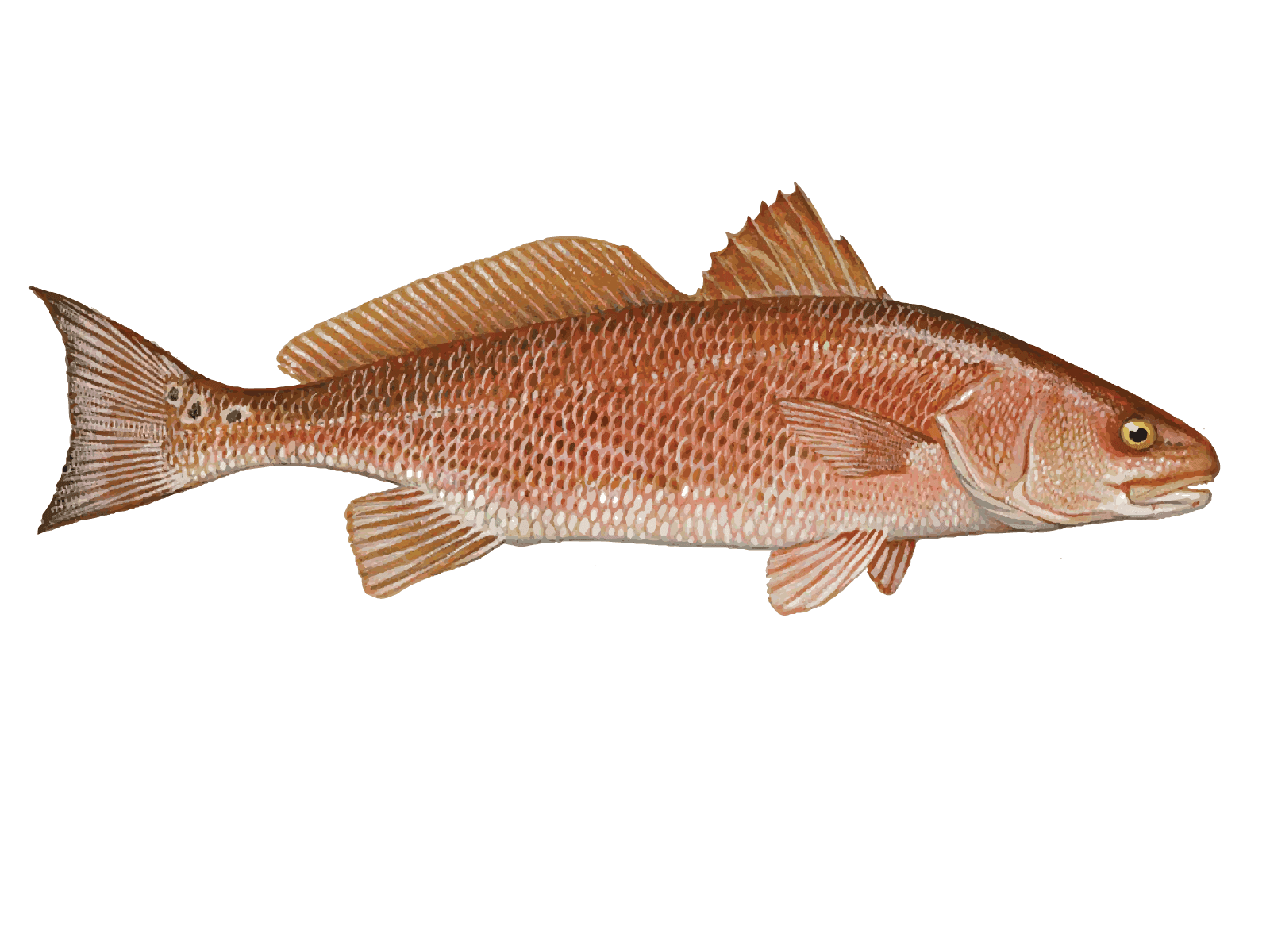
Redfish are the crown jewel of Matagorda Bay, and for good reason. These copper-colored bruisers cruise the shallow flats and can be spotted tailing in just inches of water. Fall and spring offer the best sight fishing opportunities when schools of bull reds move through the area. A slot-sized red will make screaming runs and test your drag, while the oversized bulls provide pure power. They're curious fish that respond well to soft plastics and spoons worked slowly along the bottom.
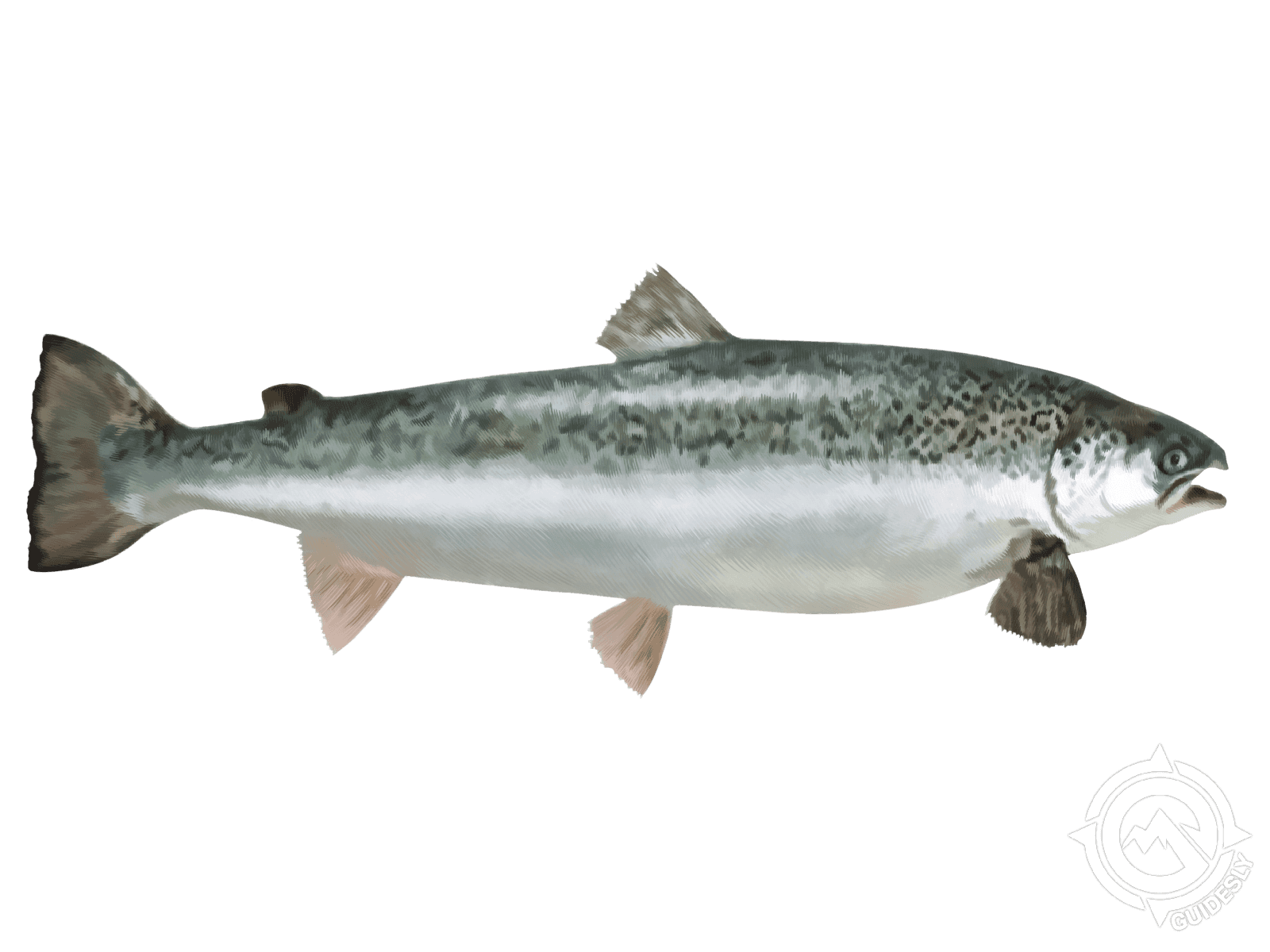
Sea trout are the bread and butter of this fishery, providing consistent action throughout the year. Spring and early summer bring the best numbers as trout move onto the grass flats to feed. They're aggressive feeders that will hit topwater plugs, soft plastics, and live bait with equal enthusiasm. A good trout will make several jumps and provide excellent table fare. The bay holds both keeper-sized fish and some real trophies, especially during the cooler months when big sow trout move shallow.
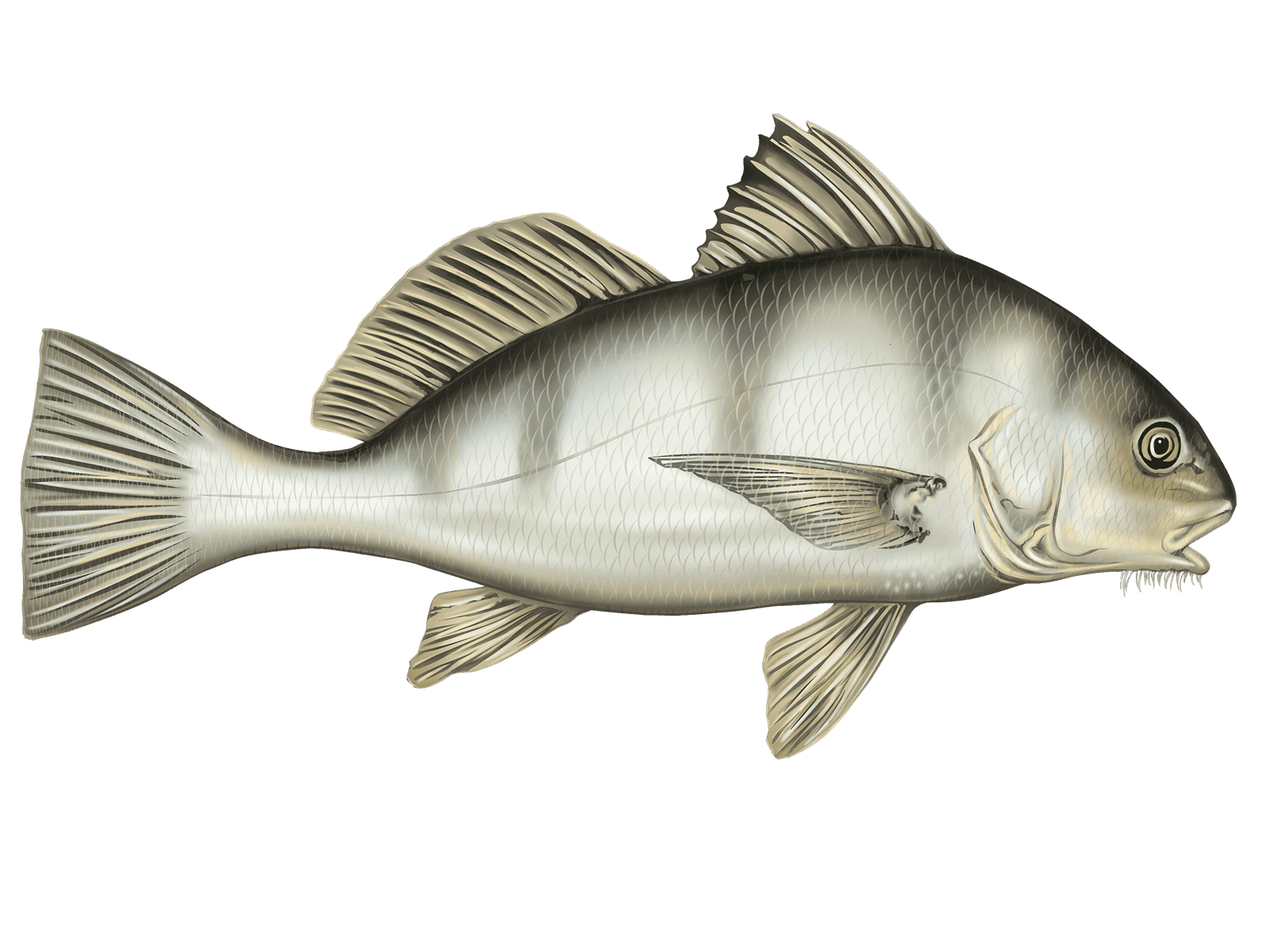
Black drum are the bay's heavyweights, often exceeding 20 pounds and providing tackle-testing fights. These bottom dwellers congregate around shell reefs and structure, particularly during their spring spawning run. They're methodical feeders that require patience but reward persistence with powerful runs that will test your equipment. The distinctive drumming sound they make gives them their name, and landing one is always a memorable experience.
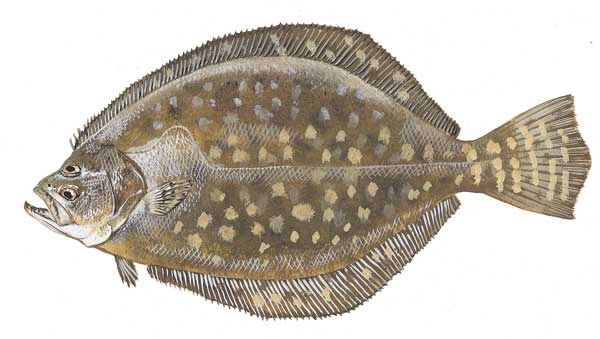
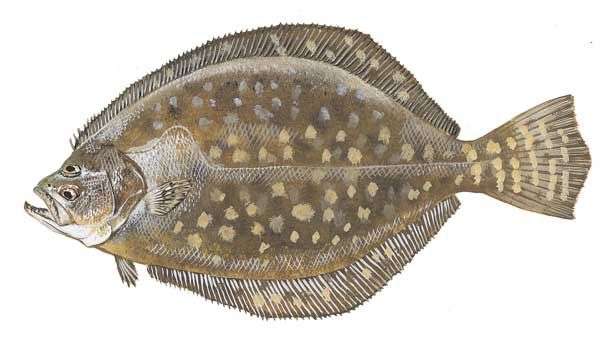
Southern flounder are the bay's master of disguise, perfectly camouflaged on sandy bottoms near drop-offs and channel edges. Fall brings the best flounder action as they migrate toward the Gulf. These ambush predators provide exciting strikes and excellent eating. Working soft baits slowly along the bottom near structure is the key to consistent success.
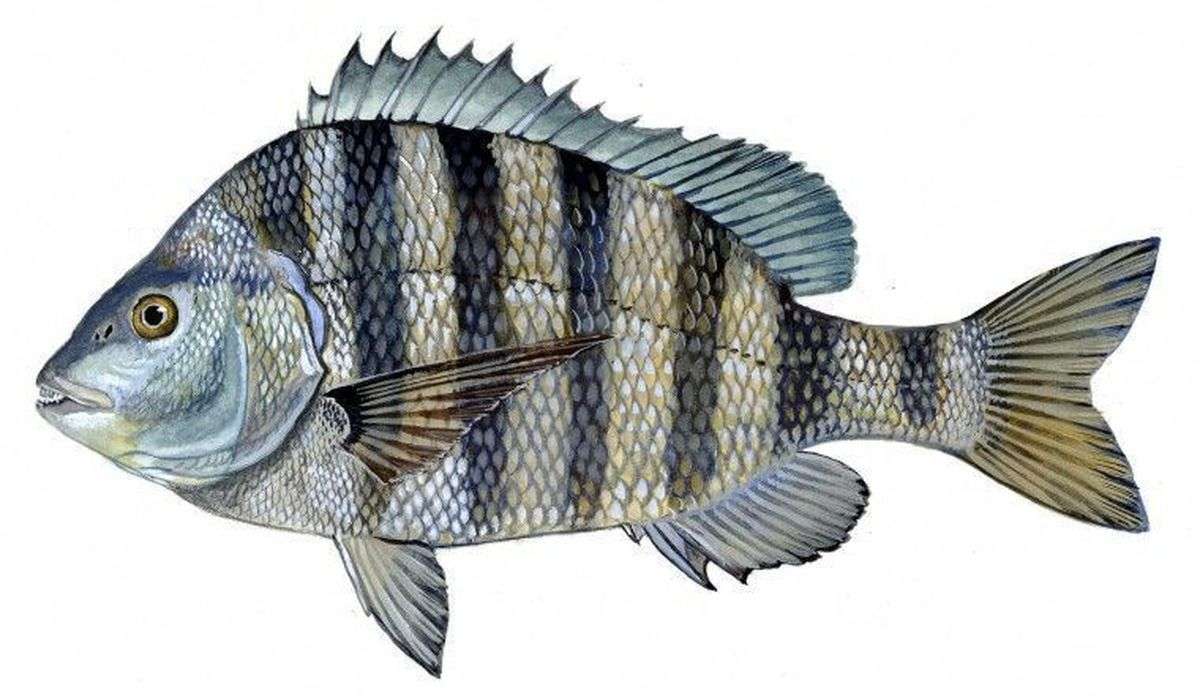
Sheepshead are the bay's most challenging target, known for their bait-stealing abilities and strong fights near structure. These black and white striped fish require precise presentations and quick hooksets. Spring brings the best action as they move shallow to spawn. Their human-like teeth and curious nature make them fascinating to target, and they're among the best eating fish in the bay.
Time to Book Your Spot
Captain Joe's half-day trips book up quick, especially during peak season. With only two spots available per trip, you're guaranteed personal attention and won't be dealing with a crowded boat. Remember to grab your fishing license before you head out - that's the only thing you need to bring besides your enthusiasm. Joe provides all the tackle, bait, and local knowledge you need for a successful day. This is real Texas coast fishing at its finest, and the kind of experience that keeps people coming back year after year. Don't wait to secure your dates - the fish are biting and Captain Joe
Customer Reviews
Second Trip Success

Adam Chavers
October 26, 2024
Great Captain Joe
It was great / captain Joe is very nice and did a really good job. I’ll definitely book another trip in the future.
Clint Petras
July 28, 2025
Best Captain Ever
Capt. Joe was hands down the best most attentive captain our family has ever had. His patience and knowledge was top notch. Did some driving around on a beautiful morning and put us on the fish quickly. Limits of trout and 2 Black drum of a lifetime we will never forget. Cannot go wrong if you use his services. Will definitely use him again soon. Thanks for the wonderful memories Capt. Joe.
Ryan Whorton
March 24, 2025
Booking Again Soon
Will definitely be booking again
Kevin Oliver
November 10, 2025
Excellent Guide Joe
Joe was excellent with everything being on time to helping us catch fish. Though we didn’t limit out that’s not Joe’s fault that’s just luck of the draw will definitely be back to schedule with Joe again had a great time.
Mark Hanna Hanna
February 15, 2026
Joe Works Hard
We had a fun trip. Fishing was tough, but Capt Joe worked his rear end off getting us on them. I would definitely book again.
ADAM Chavers
May 3, 2025
Quick Fix Great Fish
Great trip the guild was able to find us another boat very quickly after some boat problems. Caught a bunch of great fish. Would recommend and go again.
Hunter Ames
June 15, 2024
Best Guided Trip
Capt. Joe did an excellent job. Very personable and knowledgeable. He has nice equipment and put us on fish. Best guided trip I’ve ever been on.
Adam Chavers
September 14, 2024
Learn more about the species
Black Drum
Black drum are the bulldozers of Matagorda Bay, ranging from keeper-sized 5-pounders up to monsters pushing 40+ pounds. These bottom-feeders love oyster reefs and muddy flats where they crunch up crabs and shellfish with those powerful jaws. Spring is money time when they school up for spawning - you can hear them drumming underwater. The smaller ones are excellent table fare, but the big bulls are better released. They're not flashy fighters, just pure power that'll test your drag. My go-to trick is using fresh blue crab on a Carolina rig right on the bottom near shell beds - that's their candy.
Redfish
Redfish are the crown jewel of our shallow water fishing, those copper-colored beauties with the signature black spot near their tail. They range from slot-sized 20-inchers up to bull reds over 40 inches that'll smoke your drag. You'll find them cruising super shallow flats, sometimes with their backs out of water, especially during warmer months. They're sight-fishing gold when conditions are right, and they'll eat everything from topwater plugs to live shrimp. Great table fare in the slot size. The key is staying quiet and making long casts - these fish are spooky in skinny water, so keep your distance and let the lure do the talking.
Sea Trout
Speckled trout are the bread and butter of Texas bays, typically running 14-20 inches with plenty of keeper fish mixed in. They love grass flats and drop-offs where they can ambush baitfish, especially during low-light periods at dawn and dusk. Spring and fall offer the best action when water temps are in their sweet spot. These fish are aggressive strikers on topwater plugs and soft plastics, making them perfect for anglers who love surface action. The meat is tender and flaky - just don't overcook it. My local trick is throwing a white paddle tail over grass beds early morning, working it just fast enough to keep it off the bottom.
Sheepshead
Sheepshead are the convict fish of our waters with those black and white stripes, and they've got human-like teeth that'll creep you out. Most run 2-5 pounds, but the dock pilings around here hold some real slabs pushing 8-10 pounds. They're notorious bait thieves - you'll feel them pecking at your shrimp or fiddler crab, trying to steal it clean off the hook. Spring through fall is best when they're active around any structure they can find. The white, flaky meat is top-shelf eating. Here's the key: use a small hook with fresh shrimp and when you feel them nibbling, wait for that solid thump before setting the hook hard.
Southern Flounder
These flatfish are masters of disguise, burying themselves in sand and mud on bay bottoms where they ambush prey. Most run 15-18 inches, but you'll occasionally hook into a 20+ incher that'll surprise you with its fight. They're both-eyes-on-one-side weird looking, but that white, flaky meat is some of the best eating around. Fall and winter are prime time when they're fattening up before their offshore spawn. We target them with live shrimp and small jigs around structure transitions and drop-offs. Pro tip: when you feel that subtle tap-tap, don't set the hook right away - let them turn and swim off with it first, then nail 'em.

Second time out with Captain Joe. Had a great time and caught plenty of fish.